Tesla delays Optimus robot deliveries to late 2027 as hand design stalls
Tesla has pushed back its first external humanoid robot sales to the end of 2027, citing unresolved issues with durability, AI, and the mechanical complexity of the robot's hands.
By Noor Haddad ·
For industrial operators hoping to offload dangerous or repetitive labor, the timeline for purchasing a general-purpose humanoid robot from Tesla has shifted significantly. The company now expects to begin delivering the Optimus robot to outside customers around the end of 2027, a delay from previous targets that reflects ongoing struggles with the robot's physical durability and artificial intelligence capabilities.
The shift in expectations follows a pattern of moving deadlines. In 2024, leadership suggested internal use in 2025 and high-volume external sales in 2026. By January 2025, the goal was to build 10,000 units, with several thousand performing useful work by year’s end. That target was later admitted to be missed, with no units deemed useful for external tasks at the time. Now, the focus is on late 2027, with initial deployments planned for hazardous or 24/7 industrial roles.
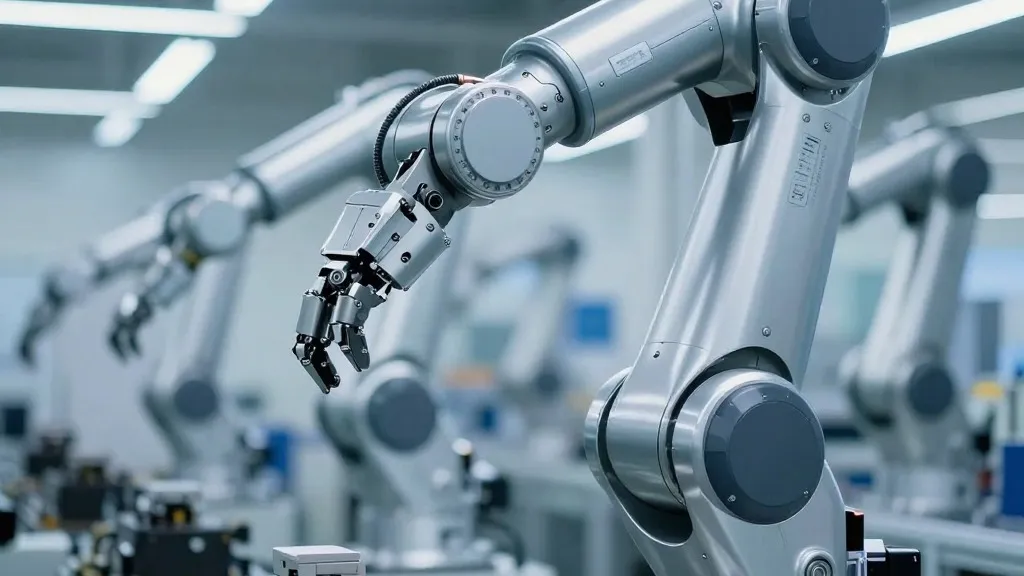
On the Q3 2026 earnings call, executives detailed why the timeline slipped. While early production has started on the high-volume line in Fremont—formerly used for Model S and X—reaching a rate of 20,000 units per week will take at least a year. The primary bottleneck is the robot’s hand. Engineers noted that the fingers must be soft enough for delicate objects yet durable enough for constant wear, a challenge exacerbated by the fact that robots cannot heal like human skin. Custom gears also remain a reliability concern.
The AI component presents a separate hurdle. Unlike Tesla’s cars, which benefit from a massive fleet collecting data for Full Self-Driving, Optimus lacks a large dataset of real-world tasks. To address this, the company plans to build 10,000 to 20,000 robots for an internal training environment called the Optimus Academy. The AI5 chip is scheduled for integration in April 2027. Additionally, a video demonstrating unscripted tasks is promised within one to two months, a move intended to counter skepticism about scripted demonstrations.
Competitors are not standing still. XPeng activated an automated production line in Guangzhou in September, aiming for mass production by the end of 2026 and deliveries in the first half of 2027. Boston Dynamics, meanwhile, began producing its electric Atlas in January and has committed all 2026 deployments, including work with Google DeepMind. Boston Dynamics is training Atlas in a Georgia facility for automotive assembly, a pragmatic approach that prioritizes sturdy grippers over human-like dexterity.
Tesla’s leadership maintains that no other company is close to matching its progress on a general-purpose humanoid. However, the shared challenges of hand mechanics, reliability, and AI generalization suggest a tight race. With Tesla’s own Q3 shareholder letter describing recent output as the first "production-quality" units, the gap between prototype and viable product remains significant. The coming months will hinge on whether the promised video shows genuine autonomy or just another delayed milestone.
Source: Electrek